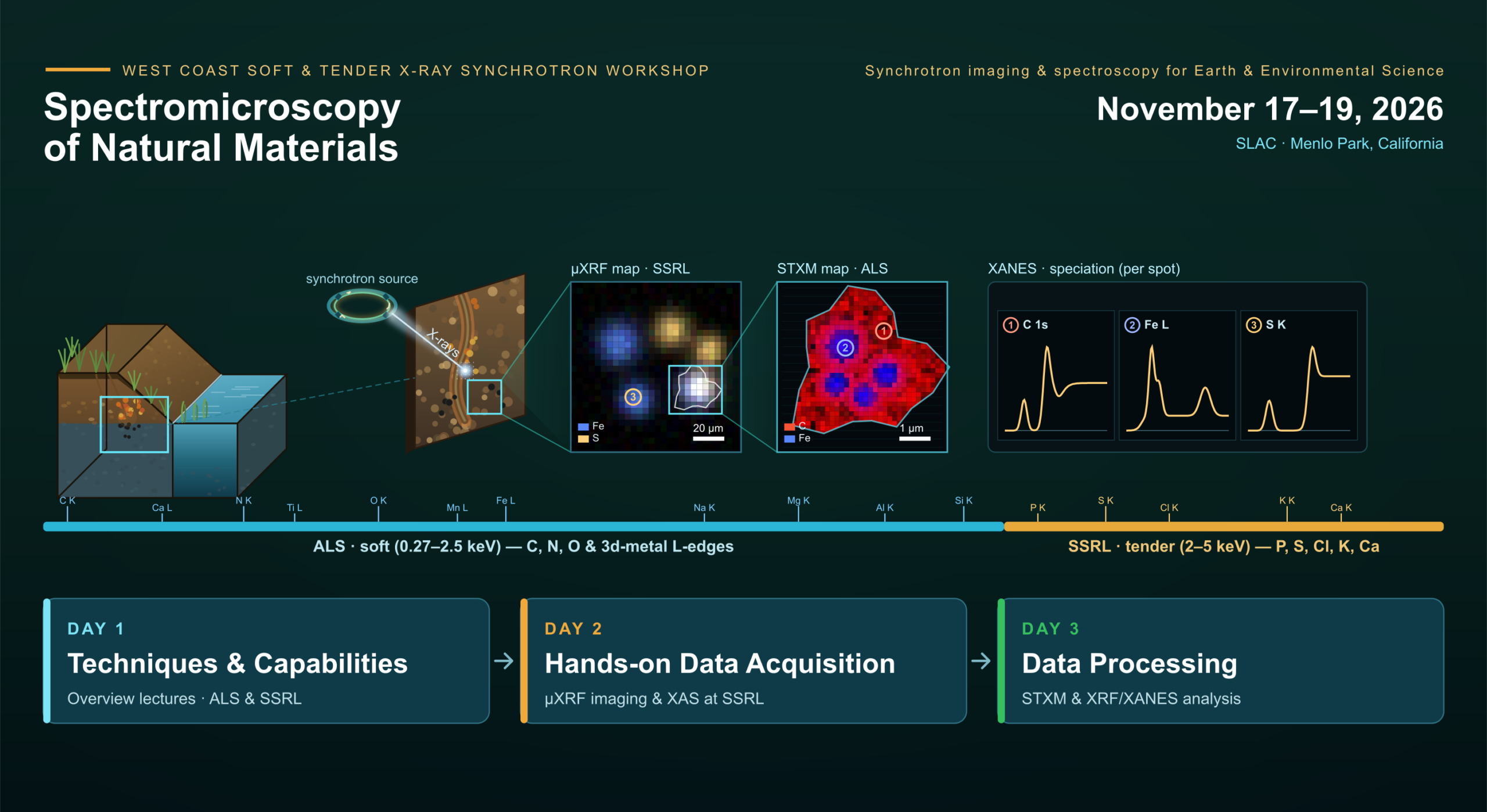
2026 Soft and Tender X-ray Synchrotron Imaging and Spectroscopy Workshop
We are excited to announce the 2026 West Coast Soft and Tender X-ray Synchrotron Imaging and Spectroscopy Workshop for Earth and Environmental Sciences, which will be held at the Stanford Synchrotron Radiation Lightsource on November 17–19, 2026. Over three days, beamline scientists from the Advanced Light Source (ALS) and Stanford
The First SEES Multigrain Workshop: More Grains, More Fun
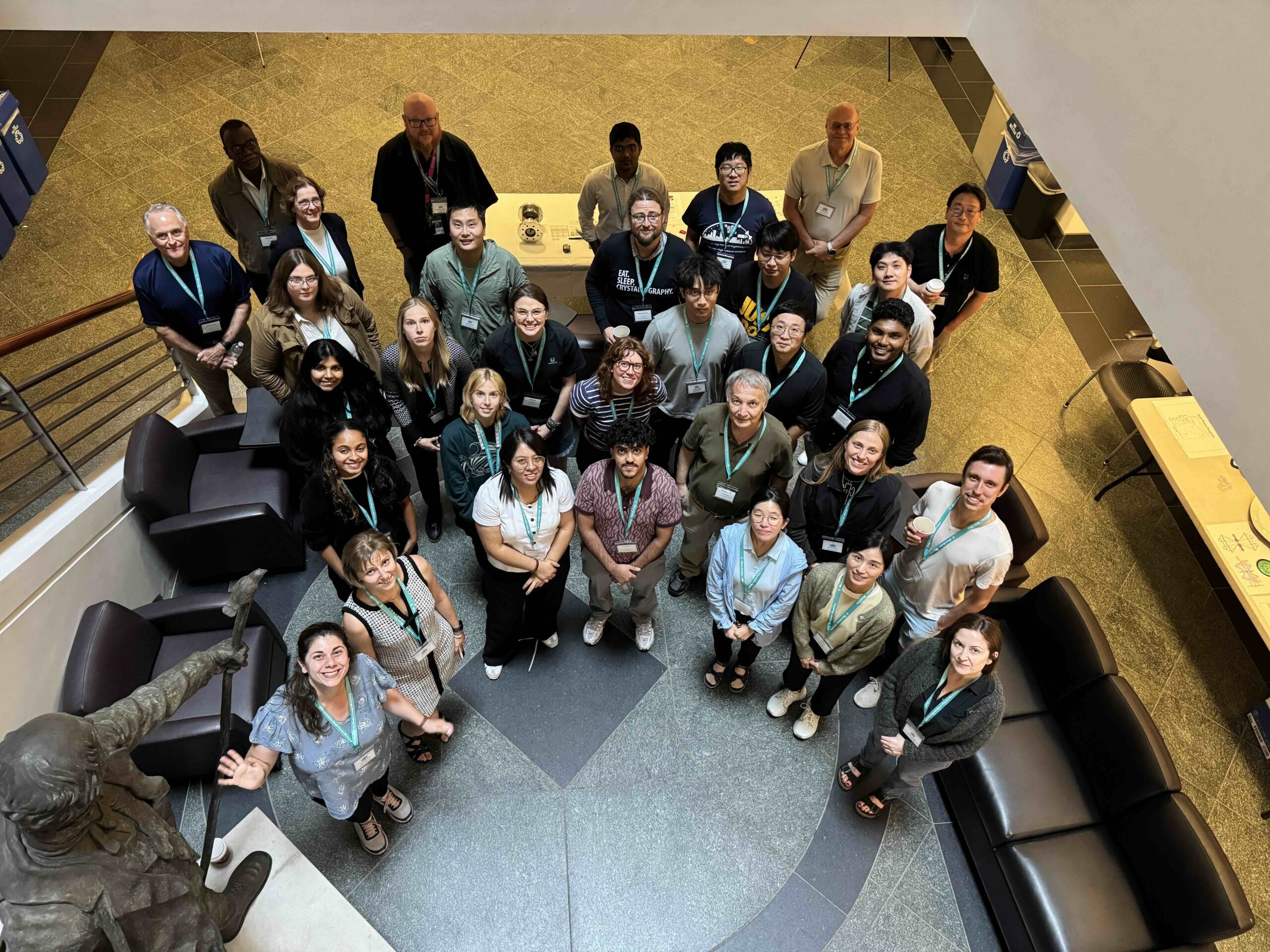
SEES ran its first Multigrain Single Crystal Workshop at the University of Chicago on August 8-9, 2026, in conjunction with the 2026 SEES-FORCE Joint Meeting. Twenty-eight participants spent two days with SEES beamline scientists Stella Chariton, Vitali Prakapenka, and Dongzhou Zhang, covering the collection and analysis of single- and multigrain
SEES at Goldschmidt 2026
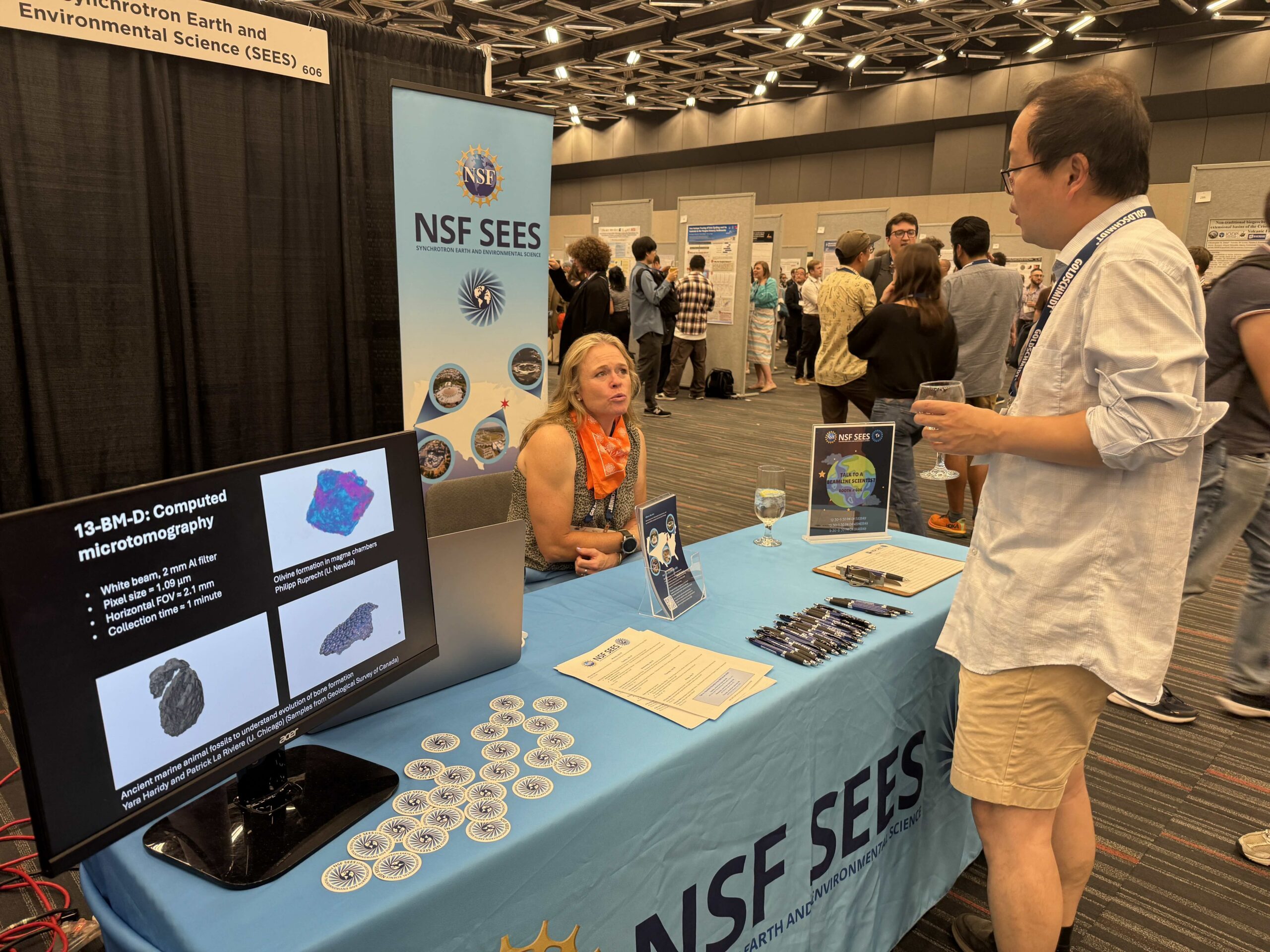
The SEES team had a great time connecting with geochemists at the Goldschmidt conference in Montréal, Québec. Program PI Andrew Campbell and Associate Director Emily Padston staffed the exhibition booth, introducing attendees to the SEES program and how synchrotron user facilities can support their research. During our “Talk to a